AI World Models: The Next Frontier in Artificial Intelligence for 2026
Discover how AI world models are revolutionizing artificial intelligence in 2026, from Google DeepMind's Genie to World Labs' Marble.
The year 2026 marks a pivotal moment in artificial intelligence development, with world models emerging as one of the most exciting and transformative technologies. Unlike traditional AI models that excel at specific tasks, world models aim to create comprehensive representations of how the world works, enabling AI systems to reason, plan, and interact with their environment in unprecedented ways.
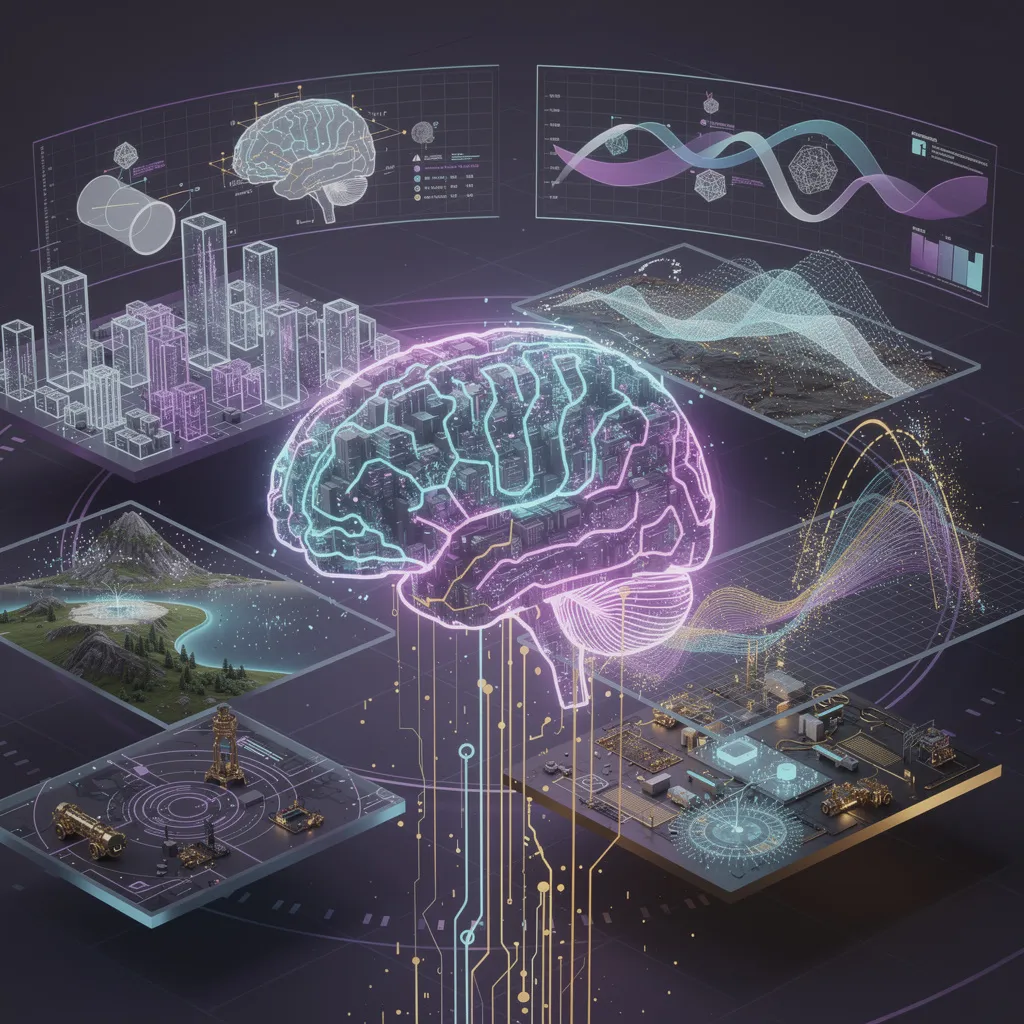
World models are AI systems that build internal representations of the external world. They can simulate environments, predict outcomes, and generate scenarios based on learned patterns. Think of them as AI systems that don't just respond to inputs but actually understand the context and physics of the world around them.
- Spatial Reasoning: Understanding physical relationships and 3D space
- Temporal Understanding: Predicting how events unfold over time
- Interactive Generation: Creating dynamic, responsive environments
- Causal Reasoning: Understanding cause and effect relationships
Google's DeepMind has been at the forefront with Genie, their latest model capable of building real-time interactive general-purpose world models. This technology enables AI to create and navigate virtual environments with remarkable accuracy.
Founded by AI pioneer Fei-Fei Li, World Labs has launched Marble, their first commercial world model. This represents a significant milestone in bringing world model technology to practical applications.
Video generation startup Runway released GWM-1 in December 2025, marking their entry into the world model space. This model bridges the gap between video generation and interactive world simulation.
World models are revolutionizing gaming by enabling:
- AI characters that interact and adapt autonomously
- Procedurally generated environments that feel natural
- Dynamic storytelling that responds to player choices
In research settings, world models help:
- Simulate complex biological systems
- Model climate change scenarios
- Accelerate drug discovery through molecular simulation
World models enable robots to:
- Navigate unfamiliar environments
- Predict outcomes of actions before executing them
- Adapt to changing conditions in real-time
For creators using platforms like Ropewalk, world models represent an exciting future where:
- AI can generate coherent, physics-accurate video content
- Interactive experiences become easier to create
- The line between real and generated content becomes increasingly blurred
With major investments pouring into this space and leading researchers dedicating their efforts to world model development, 2026 is set to be a breakthrough year. The technology is moving from research labs into practical applications, promising to transform how we interact with AI-generated content.
As these technologies mature, we can expect to see them integrated into creative tools, enabling entirely new forms of expression and content creation. The future of AI isn't just about understanding language or generating images – it's about understanding and simulating the world itself.
Комментарии
Функция комментариев скоро появится! Ждите обновлений.